
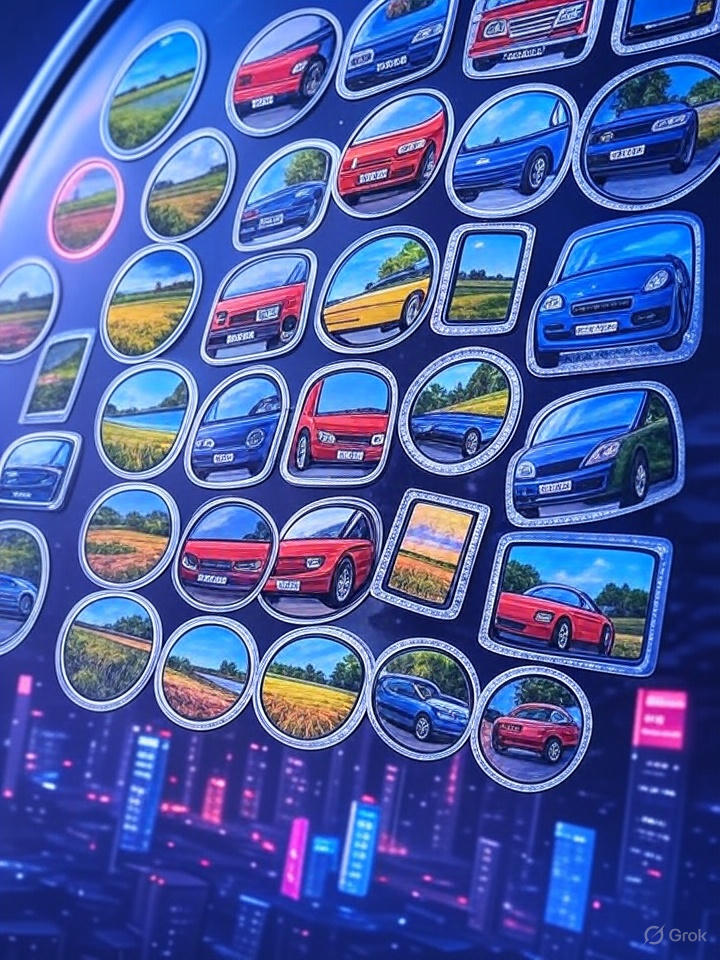
Exploring Different Types of Stickers and Their Use Cases
Stefan WylieShare
Stickers are versatile adhesive graphics widely used for decoration, branding, and communication across various surfaces and purposes. This blog explores different types of stickers, including window, vehicle, economy, long-term, and additional types such as wall, floor, and reflective stickers, highlighting their unique characteristics and practical uses.
Window Stickers
Window stickers are designed to adhere to glass surfaces, commonly used in residential, commercial, and retail settings.
Characteristics
-
Material: Typically made from vinyl or static cling materials, allowing for easy application and removal without residue.
-
Transparency Options: Available in clear, frosted, or opaque finishes to balance visibility and privacy.
-
UV Resistance: Often coated to resist fading from sunlight exposure.
Use Cases
-
Retail Advertising: Businesses use window stickers to display promotions, store hours, or branding on storefronts. For example, a café might use a vibrant window sticker to advertise a seasonal drink.
-
Decorative Purposes: Homeowners apply frosted or stained-glass-style stickers to enhance privacy or add aesthetic appeal to windows.
-
Safety Markings: Used in office buildings to mark glass doors, preventing collisions by increasing visibility.
Considerations
-
Must withstand weather conditions like rain and heat if used on exterior windows.
-
Static cling stickers are ideal for temporary applications, such as seasonal sales, as they can be reused.
Vehicle Stickers
Vehicle stickers are tailored for application on cars, trucks, and other vehicles, serving both functional and promotional purposes.
Characteristics
-
Material: Made from durable vinyl with strong adhesives to endure high speeds, weather, and car washes.
-
Lamination: Often laminated for added protection against scratches and UV rays.
-
Custom Shapes: Available in die-cut or kiss-cut formats to fit specific vehicle areas, like bumpers or windows.
Use Cases
-
Business Branding: Companies apply logos or contact information to fleet vehicles for mobile advertising. For instance, a plumbing service might use a wrap-style sticker on a van to promote its services.
-
Personal Expression: Individuals use bumper stickers to display personal beliefs, affiliations, or humor, such as political slogans or sports team logos.
-
Vehicle Identification: Used for parking permits or fleet management, ensuring easy identification.
Considerations
-
Must comply with local regulations regarding placement to avoid obstructing the driver’s view.
-
Longevity is critical, as vehicle stickers are exposed to harsh conditions like road debris and extreme weather.
Economy Stickers
Economy stickers are cost-effective options designed for high-volume, short-term, or promotional use.
Characteristics
-
Material: Typically made from paper or low-cost vinyl, prioritizing affordability over durability.
-
Printing: Often produced using digital printing for quick turnaround and lower costs.
-
Adhesive: May use lighter adhesives, suitable for temporary applications.
Use Cases
-
Product Labeling: Small businesses use economy stickers for packaging, such as labeling jars of homemade jams or candles.
-
Event Promotions: Distributed at festivals, trade shows, or community events as giveaways or branding tools.
-
Temporary Signage: Used for short-term campaigns, like election stickers or sale tags, where durability is less critical.
Considerations
-
Less resistant to water or UV exposure, making them unsuitable for outdoor or long-term use.
-
Ideal for budget-conscious projects requiring large quantities.
Long-Term Stickers
Long-term stickers are engineered for durability, designed to last for years under various environmental conditions.
Characteristics
-
Material: Made from high-grade vinyl or polyester with robust adhesives and protective laminates.
-
Durability: Resistant to fading, abrasion, and extreme weather, including UV exposure, rain, and snow.
-
Application: Often requires professional installation to ensure proper adhesion and alignment.
Use Cases
-
Outdoor Signage: Used for permanent business signs, such as store logos or directional markers, that need to withstand years of exposure.
-
Equipment Labeling: Applied to machinery or tools in industrial settings to display safety warnings or serial numbers.
-
Branding on Infrastructure: Used on public benches, bus stops, or utility boxes for city branding or public art installations.
Considerations
-
Higher initial cost due to premium materials and manufacturing processes.
-
Removal can be challenging and may require professional assistance to avoid surface damage.
Wall Stickers
Wall stickers, also known as wall decals, are designed for application on interior walls to enhance decor or convey information.
Characteristics
-
Material: Typically made from removable vinyl or fabric materials that adhere to smooth surfaces without damaging paint.
-
Finish: Available in matte or glossy finishes, often with intricate designs or custom graphics.
-
Repositionable: Many are designed to be repositioned or removed without leaving residue.
Use Cases
-
Home Decor: Used in homes to add artistic designs, quotes, or patterns to living rooms, bedrooms, or nurseries.
-
Office Branding: Businesses apply wall stickers to display logos, mission statements, or motivational quotes in workspaces.
-
Temporary Installations: Ideal for renters or temporary setups, such as pop-up shops or event venues, due to their removability.
Considerations
-
Best suited for smooth, clean surfaces; textured walls may reduce adhesion.
-
Not designed for outdoor use or exposure to moisture.
Floor Stickers
Floor stickers are durable graphics applied to flooring surfaces, commonly used for wayfinding or promotional purposes.
Characteristics
-
Material: Made from heavy-duty vinyl with non-slip laminates to ensure safety and durability.
-
Adhesive: Strong adhesives designed to withstand foot traffic and cleaning.
-
Certifications: Often meet safety standards for slip resistance in public spaces.
Use Cases
-
Wayfinding: Used in airports, malls, or hospitals to guide foot traffic with directional arrows or maps.
-
Retail Promotions: Applied in stores to highlight sales areas or direct customers to specific products.
-
Event Signage: Used at trade shows or festivals to mark booths or pathways temporarily.
Considerations
-
Must comply with safety regulations to prevent tripping or slipping hazards.
-
Regular cleaning may reduce lifespan, requiring periodic replacement.
Reflective Stickers
Reflective stickers are designed to be highly visible in low-light conditions, using materials that reflect light.
Characteristics
-
Material: Made from retroreflective vinyl or films that bounce back light from sources like headlights.
-
Durability: Weather-resistant and designed for outdoor use, often with UV-resistant coatings.
-
Color Options: Typically available in high-visibility colors like white, yellow, or red.
Use Cases
-
Safety Signage: Applied to road signs, construction barriers, or emergency vehicles to enhance visibility at night.
-
Bicycle and Motorcycle Safety: Used on helmets or frames to improve rider visibility in low-light conditions.
-
Industrial Applications: Mark machinery or equipment in low-light environments, such as warehouses or construction sites.
Considerations
-
More expensive due to specialized materials.
-
Requires proper light sources (e.g., headlights) to maximize reflectivity.
Comparing Use Cases
Each sticker type serves distinct purposes based on its material and design:
-
Window Stickers excel in temporary or semi-permanent applications where aesthetics and visibility are key, such as retail or home decor.
-
Vehicle Stickers are ideal for mobile branding and personal expression, requiring durability to withstand dynamic conditions.
-
Economy Stickers cater to high-volume, short-term needs, prioritizing cost over longevity, such as for events or product labeling.
-
Long-Term Stickers are suited for permanent applications where durability and resistance to environmental factors are paramount.
-
Wall Stickers enhance interior spaces with removable, decorative options for homes or offices.
-
Floor Stickers provide functional wayfinding or promotional solutions in high-traffic areas.
-
Reflective Stickers prioritize safety and visibility in low-light environments.
Conclusion
Selecting the appropriate sticker type depends on the intended application, budget, and durability requirements. Window stickers enhance glass surfaces, vehicle stickers provide mobile visibility, economy stickers offer affordable promotion, long-term stickers ensure lasting impact, wall stickers elevate interior decor, floor stickers guide foot traffic, and reflective stickers improve safety. By understanding these distinctions, individuals and businesses can make informed choices to meet their specific needs, whether for branding, decoration, safety, or functionality.